Damp & Mould
Find information on identifying, preventing and reporting damp and mould, along with details of the support available and how we can help resolve issues in your home.
How to report Damp & Mould
Worried about damp or mould in your home? You’re not alone this is important to us. Find out how to report it and what you can expect from us.
How to report Damp & MouldCondensation
What does condensation dampness look like?
Condensation dampness usually:
Does not leave a tidemark
Appears in areas with poor air circulation, such as:
Corners of rooms
Behind furniture
Inside cupboards and wardrobes
If left untreated, it can lead to mould growth.
Is it condensation or dampness?
Dampness means unwanted moisture or water is present in your home. This can be caused by:
Missing or faulty damp-proof courses (more common in older properties)
Building defects allowing rain in (e.g. damaged roofs or walls)
Leaking pipes, overflows, or plumbing faults
Condensation from moisture in the air
Drying out in newly built or recently improved homes
Condensation is one of the main causes of dampness.
How is condensation dampness caused?
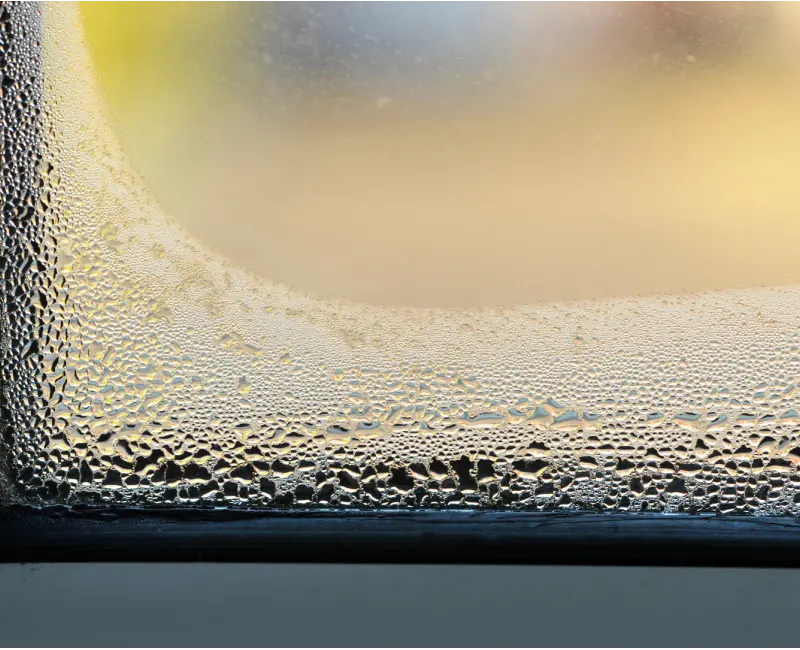
There is always some moisture in the air, even if you can’t see it. Condensation happens when the air becomes too full of moisture or when it cools down.
Warm, moist air created by everyday activities like cooking, bathing, and drying clothes moves around your home and settles on colder surfaces such as windows, walls, and furniture. When this warm air hits a cold surface, it turns into water droplets.
Condensation is most common in winter, when surfaces are colder, even if it isn’t raining outside.
What can you do to reduce condensation?
You can help reduce condensation by managing moisture, improving ventilation, and keeping your home at a steady temperature.
1. Produce less moisture
Cover pans when cooking
Vent tumble dryers to the outside
Avoid paraffin or bottled gas heaters (they produce a lot of moisture)
Dry clothes outdoors or in a designated drying area where possible
Drying clothes indoors can produce up to 9 pints of moisture, compared to around 2 pints from a shower.
If you need to dry clothes indoors:
Use a bathroom or kitchen with an extractor fan
Open a window slightly and keep the door closed
Ensure tumble dryers are vented outside
2. Ventilate your home
Open windows or use trickle vents regularly, especially in bedrooms
Use extractor fans or open windows when cooking or bathing
Keep kitchen and bathroom doors closed during use
Allow air to circulate in cupboards and wardrobes
Avoid placing furniture directly against external walls. Leave a small gap to prevent trapped moisture and hidden mould growth.
3. Heat your home consistently
Aim to keep your home above 17°C during colder months
Consistent warmth helps prevent condensation forming on walls and surfaces
Your home does not need to be very hot, steady heating is more effective
4. Reduce draughts (but allow fresh air)
Report any unusual draughts to maintenance staff
Do not block permanent vents these are important for safety and airflow
What will we do as your landlord?
When you report damp or mould, we will:
Take your report seriously and respond promptly
Arrange an inspection
Identify the cause of the problem
Carry out repairs where required (e.g. leaks, structural issues, ventilation)
Provide advice and support to help prevent the issue from returning
We are committed to ensuring your home is safe, warm, and free from damp and mould.
What is mould?
Mould is a type of fungus that grows in damp or humid conditions. It spreads by releasing tiny spores into the air and often appears as black, green, or white patches on walls, ceilings, or other surfaces.
Mould can damage your home and may affect your health, particularly if you have allergies or breathing problems.
Dealing with mould
Condensation dampness can lead to mould appearing in your home.
The most effective way to prevent mould from returning is to reduce condensation. Once the moisture problem is addressed and the mould is treated, it should not come back.
To remove mould:
Wipe affected areas using a fungicidal wash, following the manufacturer’s instructions
You can buy mould treatment products from local shops or online. If using on timber, please ensure the product is suitable for that surface.
Additional steps:
Dry clean mildewed clothes and shampoo affected carpets
Avoid brushing mould, as this can release spores into the air and increase the risk of breathing problems
After treatment:
Redecorate using a fungicidal paint to help prevent mould returning
Note: this paint will not be effective if covered with standard paint or wallpaper
Additional guide created by Peter Cox
A guide to dealing with condensation and mould in your home.
An expert guide to damp and mould